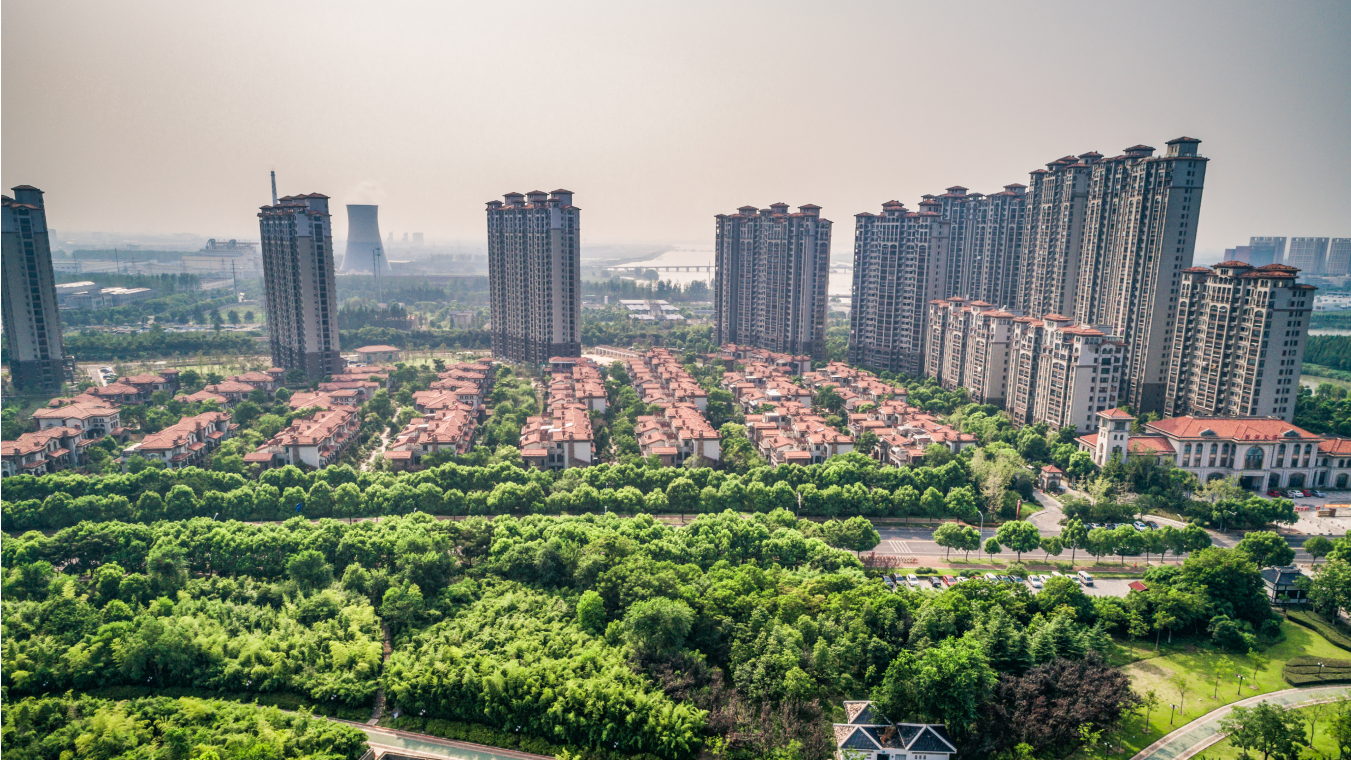

What Defines a Well-Planned Residential Community
Feb 20, 2026 . 0 COMMENTS
Urban homebuyers today ask far more informed questions than a decade ago. According to recent NCR real estate absorption data, planned communities along major corridors have shown stronger demand resilience compared to standalone developments. Buyers are now looking beyond price and amenities; they seek clarity on how a residential community is planned and how it will function over the next 5, 10, or even 20 years. The rise of large planned communities along corridors such as the Dwarka Expressway. This shift reflects a broader movement toward master-planned developments that prioritise infrastructure scalability, connectivity, and long-term asset stability. New Gurgaon and Noida Extension over the past few years demonstrate a clear move towards a more structured residential master-planning approach, as well as intentional community design.
Urban Growth & the Need for Structured Planning
Rapid urban expansion in NCR has significantly increased residential density and vehicle ownership over the past decade. As population pressure rises, unplanned colonies often face infrastructure strain — from traffic congestion to water supply limitations. This demand shift has accelerated interest in integrated, master-planned communities designed to handle long-term urban growth.The 7 Pillars of a Well-Planned Residential Community
A truly well-planned residential community is built around seven foundational pillars:- Infrastructure-first design
- Road hierarchy planning
- Density optimisation
- Utility scalability
- Social ecosystem integration.
- Environmental sustainability
- Governance & maintenance model
What Has Changed in Residential Community Planning?
Today’s master-planned residential communities follow a design-first approach rather than a construction-first approach.This structured planning helps reduce peak-hour congestion and improves emergency response accessibility.Many previous developments were planned using a model that built towers first and then tried to work out the infrastructure later. This type of approach no longer works with the fast growth of cities. Modern residential community planning now considers
| Traditional Development | Master-Planned Community |
|---|---|
| Towers first, roads later | Infrastructure first design |
| Limited utility planning | Scalable utility networks |
| Congested internal roads | Hierarchical road structure |
-
Internal road hierarchy and traffic flow:
A property designed community separates its primary road networks, secondary street systems, and lanes to facilitate vehicle flow while also minimizing congestion. -
Safety for pedestrians:
Designated pedestrian walkways, pedestrian crossings, and measures for calming traffic, along with adequate streetlights, should be provided to ensure that residents walk freely. -
Structured parking solutions:
It involves construction and designing at multi-level, often precast concrete or steel, facilities to maximise parking density in urban areas. -
Utility capacity for future population growth:
Utility planning in master-planned communities is typically calculated based on projected population density rather than current occupancy, ensuring long-term operational stability. Infrastructure such as potable water supply, sewage collection, power generation, and stormwater drainage is designed to accommodate future demand.
Why Are Well Designed Residential Communities Becoming the Preferred Model?
The growth of organized planned communities is a response to everyday urban pressure.Infrastructure and Connectivity
Aspects that buyers today want are
- Near arterial roads/highways and metro line corridors
- Schools, hospitals, and retail shops are within proximity
- Reduce daily time travel
Governance & Maintenance
Residential master planning must include professional facilities management to provide:
- Better maintenance and cleanliness of common properties
- Emergency response systems are set up for security purposes
- Maintenance systems that are easy to understand and follow
What Does Good Community Design Actually Include?
A good community design works on three levels physical, social, and environmental.Physical Planning
In a well balanced design format, the following should be included:
- Adequate spacing between towers: Proper tower separation, guided by urban planning norms and density guidelines, ensures adequate airflow, natural lighting, and privacy.
- Green areas: Landscaped gardens and parks will help to clean the air, support outdoor activities, and improve the quality of life in general.
- Safe drop-off and parking zones: Designated entry and exit points reduce traffic chaos and ensure smooth, secure movement for both residents and their guests.
Social Infrastructure
Good residential development planning tends to support natural communication patterns.- Functional community clubhouses
- Children’s play areas within visibility
- Sports courts and fitness zones
In successfully planned communities, neighbourhood features and amenities are not only symbolic, but they are also consistently used.
Environmental Consideration
Modern developers of major residential developments are increasingly focused on the following:- Landscaping and Waste Disposal Systems
- Rainwater collection system(s)
- Reduced vehicle dependency on the campus
Green development is no longer a choice in highly populated areas. It directly affects long-term liveability.
Sustainable design elements not only improve environmental impact but also enhance long-term livability and regulatory compliance.
What Does It Mean for Long-Term Value?
Infrastructure scalability reduces unexpected capital expenditure, while structured governance ensures predictable operational costs. These factors collectively support long-term appreciation stability.| Factor | Traditional Development | Master-Planned Community |
|---|---|---|
| Structure | Responsive | Pre designed & scalable |
| Highway Network | Crowded | Hierarchical |
| Utilities | Short term | Future-ready |
| Governance | Informal | Structured management |
| Value Growth | Unstable | Stable |
A well-executed residential master planning strategy preserves both lifestyle and asset value. When infrastructure capacity, density planning, and governance systems are aligned, communities are better positioned to withstand market fluctuations.When density is calculated responsibly, and infrastructure is scalable:
- Uniform operating costs
- Amenities will function over time
- Demand for resale will remain consistent
- Rental yield will remain competitive
In contrast, developments without strong residential community planning often see declining satisfaction and slower appreciation.
For end-users, thoughtful community design ensures smoother daily routines. For investors, it signals stability and sustained demand.
What Will Happen Next in Residential Community Planning?
With urban areas continuing to grow, large-scale planned residential communities will become the new standard. The next phase will focus on:- Mixed-use buildings
- Better use of resources
- Better internal governance
How to Identify a Well-Planned Residential Community
- Road hierarchy clarity
- Utility scalability
- Adequate open space ratio
- Professional facilities management
- Proximity to key infrastructure
Key Takeaways
- Residential community planning now prioritizes functionality over aesthetics.
- Planned communities will reduce traffic congestion and increase the ease of daily living.
- Residential master planning safeguards long-term asset value.
- Community design affects socialization and safety as well as environmental sustainability.
- Future-ready planned developments will be focused on interconnectivity and the ability to scale over time.
- A well-planned residential community is defined by how seamlessly infrastructure, lifestyle, and governance come together to support everyday life.
FAQs
-
What are the four characteristics of a well-planned city?
To create balance in an urban environment, well-planned cities use efficient infrastructure, mixed land uses, accessible public transportation, and sustainable green spaces. -
What is the definition of community planning?
Community planning refers to a formal process for planning land use and infrastructure to address the needs of residents over the long term. -
What does it mean to be a master-planned community?
A master-planned community is a large, integrated development built under a unified vision with homes, amenities, and infrastructure. -
What describes a good community?
A good community includes safety, connectivity, amenities that can be shared with neighbors, opportunities for socializing, and access to various types of inclusive spaces that contribute positively to people's lives.

How useful was this blog?


